
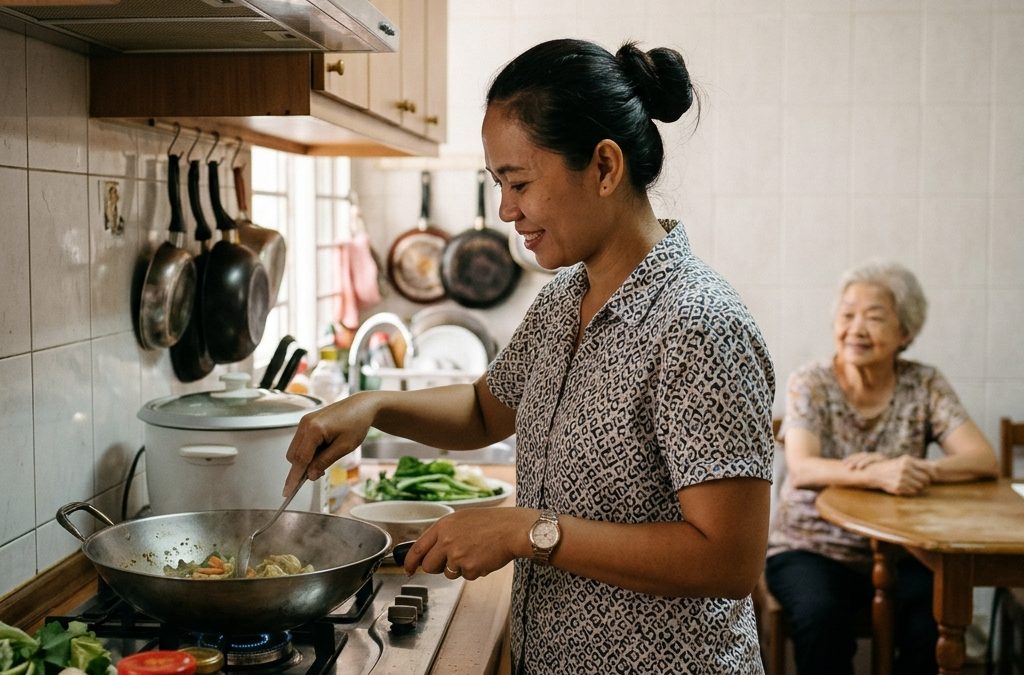
Choosing an Indonesian domestic helper for your household in Singapore is a decision rooted in cultural compatibility, culinary similarities, and a shared understanding of multi-generational family values. As Singapore faces a rapidly aging population, the demand for specialized caregiving within the home has surged, making the Indonesian maid a preferred choice for many local families. At EELIT Agency Pte. Ltd., we recognize that hiring a helper is not merely about finding a pair of hands to clean; it is about integrating a new member into your family ecosystem who can provide dignity to your elderly parents and nutrition to your children. This guide provides an exhaustive look into why Indonesian caregivers excel in Singaporean homes, the financial commitments involved, and the regulatory framework set by the Ministry of Manpower (MOM) heading into 2026.
The Cultural Advantage: Why Indonesian Helpers Excel in Singaporean Homes
The success of an Indonesian domestic helper in a Singaporean household often begins with the immediate sense of cultural familiarity. Unlike helpers from other regions, many Indonesian ladies come from rural or semi-urban backgrounds where multi-generational living is the norm. They grow up in environments where caring for grandparents is a natural, daily responsibility rather than a chore. This ingrained sense of filial piety, known as “Hormat,” translates effectively into the Singaporean context, where respect for “Ah Ma” or “Ah Gong” is paramount.
Language is another significant factor that reduces the friction of integration. For many elderly Singaporeans who primarily speak Malay or basic Mandarin, the linguistic bridge to Bahasa Indonesia is relatively short. Many Indonesian helpers from regions like Java or North Sumatra find it easier to pick up local dialects or basic English compared to helpers from non-Austronesian speaking backgrounds. This ease of communication is vital when a helper needs to understand the specific health needs or emotional nuances of an elderly employer.
Furthermore, the shared appreciation for Southeast Asian etiquette—such as modesty in dress, a soft-spoken demeanor, and a non-confrontational communication style—aligns well with the expectations of many Singaporean employers. This cultural synergy minimizes the “culture shock” period, allowing the helper to focus on her primary duties of caregiving and household management much faster than those from more distant regions.
Eldercare Strengths: Compassion and Physical Resilience
Eldercare is a demanding role that requires a unique blend of physical strength and emotional patience. Indonesian caregivers are frequently praised for their “soft touch” and their ability to provide companionship to the elderly. They are often willing to sit and listen to stories, provide gentle massages, and assist with the slow, methodical pace required for elder care. This emotional labor is what differentiates a basic domestic worker from a true caregiver.
1. Physical Support and Mobility Assistance: Many Indonesian helpers recruited for caregiving roles undergo specialized training in Indonesia before arrival. This includes learning the proper techniques for transferring an elderly person from a bed to a wheelchair, assisting with toileting, and helping with light physiotherapy exercises. At EELIT Agency, we emphasize these skills during our selection process to ensure the helper can manage the physical demands without injuring herself or the employer.
2. Monitoring Health Vitals: While they are not registered nurses, seasoned Indonesian caregivers are adept at monitoring daily health indicators. This includes recording blood pressure readings, tracking blood glucose levels for diabetic patients, and ensuring that medications are taken at the correct intervals. Their attentiveness allows them to spot early signs of distress, such as skin redness that might lead to bedsores or changes in appetite that could signal an underlying infection.
3. Specialized Dementia Care: With the rising cases of dementia in Singapore, Indonesian helpers are increasingly trained to handle the behavioral challenges associated with the condition. They learn to use “validation therapy” rather than correcting the elderly person, which helps in reducing agitation. Their naturally patient temperament serves as a vital asset when dealing with repetitive questions or sundowning symptoms in elderly wards.
Mastering the Singaporean Kitchen: From Rempah to Steaming
Cooking is often the heart of the Singaporean home, and the Indonesian helper’s ability to master local flavors is a significant advantage. Because Indonesian cuisine shares many ingredients with Singaporean Malay and Peranakan food—such as lemongrass, galangal, turmeric, and coconut milk—the learning curve for “Masakan Rumah” (home-cooked meals) is significantly lower.
However, many Singaporean families today are health-conscious, requiring a shift from traditional Indonesian deep-frying to healthier cooking methods. An Indonesian maid in Singapore can be easily trained to adapt her skills to the following styles:
1. Low-Sodium Chinese Cooking: Many employers prefer steamed fish, clear soups, and stir-fried vegetables with minimal oyster sauce. Indonesian helpers are generally quick to learn these techniques, understanding the importance of heat control in a wok and the delicate balance of ginger and scallions in Cantonese-style dishes.
2. Managing Special Diets: For elderly family members with chronic conditions like hypertension or diabetes, the helper plays a critical role in meal preparation. This involves using less salt, substituting white rice with brown rice or quinoa, and ensuring that portions are balanced according to the nutritional guidelines provided by the family doctor or the Agency for Integrated Care (AIC).
3. Grocery Management and Wet Market Navigation: Experienced Indonesian helpers often excel at “marketing.” They are comfortable navigating local wet markets, selecting the freshest produce, and bargaining within the budget set by the employer. This autonomy relieves the working mother or father from the stress of daily meal planning and ingredient sourcing.
The Financial Framework: Salary, Levies, and 2026 Expectations
Understanding the cost of hiring an Indonesian maid in Singapore is essential for long-term financial planning. As we move toward 2026, several factors influence the total monthly expenditure. While the Ministry of Manpower does not set a hard minimum wage for domestic workers, the Indonesian government and market forces establish a baseline that ensures the helper can support her family back home while maintaining a decent standard of living in Singapore.
1. Monthly Salary: Currently, the market rate for a fresh Indonesian domestic worker starts at approximately $550 to $650. For those with specialized caregiving experience or prior years of service in Singapore or Hong Kong, the salary can range from $700 to over $900. By 2026, we anticipate these figures may rise slightly to account for inflation and the increasing global demand for domestic labor.
2. The Migrant Domestic Worker (MDW) Levy: The Singapore government imposes a monthly levy on all MDW employers. As of now, the monthly levy is $300 for the first helper and $450 for subsequent helpers. However, most families hiring for eldercare qualify for the Concessionary Levy of only $60 per month. To qualify, the employer must live with a Singapore Citizen who is at least 67 years old or has a certified disability. We expect this concessionary framework to remain a staple of the government’s support for aging-in-place initiatives through 2026.
3. Placement Fees and Loan Repayments: It is common for helpers to have a “placement fee” or loan that they repay during the first few months of their contract. As an MOM-licensed agency, EELIT ensures that these transactions are transparent and strictly follow the regulations. Employers should be aware that during this period, the helper’s take-home pay is reduced, which requires extra empathy and clear communication regarding her financial needs for basic necessities.
4. Mandatory Insurance and Security Bonds: Employers are required to purchase medical insurance and a personal accident insurance policy for their helper. With the 2026 regulations, the coverage limits have been increased to better protect both the helper and the employer from high hospital bills. Additionally, a $5,000 security bond is required by MOM, which is usually handled through an insurance guarantee to avoid a large upfront cash outlay.
MOM Regulations and the 2026 Outlook for Employers
The Ministry of Manpower (MOM) has consistently updated its policies to ensure the well-being of both the domestic worker and the employing family. Looking ahead to 2026, there are several key regulatory areas that every employer must be familiar with to remain compliant and ensure a harmonious household.
1. Mandatory Rest Days: Currently, MDWs are entitled to one mandatory rest day per month that cannot be compensated away. This policy was introduced to prevent burnout and ensure the mental well-being of the helper. By 2026, there may be further discussions on increasing the frequency of non-compensable rest days. Employers should view this as an opportunity for the helper to recharge, which ultimately leads to better performance and safety in the home.
2. Six-Monthly Medical Examinations (6ME): All MDWs must undergo a medical examination every six months to screen for pregnancy and infectious diseases. Recently, MOM has updated the 6ME to include screenings for Body Mass Index (BMI) and signs of suspicious injuries. As a responsible employer, you must ensure your helper attends these appointments. EELIT Agency assists our clients by sending reminders and coordinating with clinics to make this process as easy as possible.
3. Household Integration and Mental Health: MOM is placing a greater emphasis on the mental health of migrant workers. Employers are encouraged to provide adequate privacy, nutritious food, and a safe sleeping environment. In the 2026 landscape, we expect more digital resources and check-ins from MOM to ensure that helpers are adapting well to their new environment. Simple gestures, like allowing your helper to use her phone to call home during her breaks, go a long way in maintaining her mental health and loyalty.
Daily Protocols for a Successful Caregiving Arrangement
To ensure that your Indonesian caregiver can perform her duties effectively, it is vital to establish a clear daily protocol. Ambiguity is the primary cause of stress in the employer-helper relationship. A well-documented schedule helps the helper understand your expectations and allows you to monitor the quality of care provided.
1. Morning Routine: This should include assisting the elderly person with waking up, sponge baths or assisted showering, and dressing. The helper should then prepare a nutritious breakfast, followed by the administration of morning medications. At EELIT, we recommend using a physical medication log where the helper ticks off each dose to prevent errors.
2. Engagement and Exercise: A good caregiver does not just leave the elderly person in front of the television. The protocol should include dedicated time for light walking, limb exercises, or cognitive activities like simple puzzles or conversation. For Indonesian helpers, this is often a time when they can bond with the elderly through shared stories or even listening to traditional music together.
3. Hygiene and Safety Checks: Throughout the day, the helper should be trained to perform regular checks. This includes ensuring the environment is free of tripping hazards, checking that the elderly person is hydrated, and managing incontinence needs with dignity. Proper disposal of medical waste and maintaining the cleanliness of the elderly person’s room are also top priorities.
4. Emergency Response: Every Indonesian helper must be briefed on what to do in an emergency. This includes knowing who to call first (the employer or 995), where the nearest clinic is located, and having a basic understanding of first aid for falls or choking. We provide basic orientation on these aspects, but family-specific emergency plans are crucial.
Navigating Real-World Challenges: The EELIT Agency Support System
Even with the best intentions, the relationship between a family and a domestic helper can face hurdles. These may stem from communication breakdowns, differences in cleaning standards, or the emotional stress of caring for a terminal patient. This is where the role of a professional employment agency becomes indispensable.
At EELIT Agency, our support does not end when the helper arrives at your doorstep. We act as a mediator to resolve misunderstandings. If an employer feels that the helper’s cooking isn’t meeting the family’s taste, or if the helper is struggling with the temperament of an elderly ward, we step in to provide additional counseling or training. Our deep understanding of Indonesian culture allows us to explain the employer’s expectations in a way that resonates with the helper, while also helping the employer understand the helper’s perspective.
We also assist with the administrative burden of renewals, passport updates, and home leave arrangements. Should the need arise for a replacement, our extensive database of pre-screened Indonesian candidates ensures that your household’s caregiving is not interrupted for long. We believe that a successful placement is built on the foundation of mutual respect and clear legal documentation, ensuring that your family remains protected under Singapore law.
Conclusion: Building a Sustainable Future for Your Family
Hiring an Indonesian domestic helper is more than a logistical solution for a busy Singaporean family; it is a strategic investment in the well-being of your loved ones. Their natural inclination toward caregiving, combined with their ability to adapt to our local culinary and cultural environment, makes them an invaluable asset in the modern home. By understanding the financial commitments, staying ahead of MOM’s 2026 regulations, and establishing clear daily protocols, you can create a harmonious environment where your helper thrives and your elderly parents receive the care they deserve.
As you embark on this journey, remember that the key to a long-lasting relationship with your Indonesian helper lies in clear communication, fair treatment, and the support of a dedicated agency. At EELIT Agency Pte. Ltd., we are committed to helping you find the right match—a caregiver who not only cooks and cleans but brings peace of mind to your household. Whether you are a first-time employer or looking to find a specialized caregiver for your aging parents, we are here to guide you through every step of the process, ensuring a smooth transition for your family and your new helper.
Connect with EELIT Placement Specialists
Speak directly with our senior placement consultants for personalized bio matching, MOM Work Permit processing, and household caregiving support across Singapore:
Corporate Headquarters Placement Consultation
Corporate HQ Priority WhatsApp: +65 9100 1610
Juliet (Senior Consultant): Chat with Juliet (+65 9168 2493) |
Joey (Senior Consultant): Chat with Joey (+65 8725 2891)
HQ Office Telephone (Hotline / Voice Call Only): +65 6320 3826
Islandwide Branch WhatsApp Lines
Orchard (Far East Shopping Centre): +65 9478 2786
Hougang: +65 8043 9823
Yishun: +65 8090 3168