
In the daily rhythm of a busy Singapore household, domestic helpers serve as the primary on-site guardians for young toddlers, aging grandparents, and high-rise living spaces. When sudden medical emergencies arise, such as acute pediatric choking during dinner, scalding oil splashes in the kitchen, or sudden slip-and-fall incidents in tiled bathrooms, the helper initial response within the first three minutes determines clinical outcomes. Training domestic helpers in structured first aid protocols and clear emergency escalation procedures bridges the vital gap between incident occurrence and ambulance arrival.
Essential Emergency Escalation Framework: The Singapore Hotline Hierarchy
A common vulnerability in household safety involves foreign domestic workers hesitating during critical emergencies due to language barriers, panic, or fear of employer reprimand. Clear operational protocols eliminate dangerous hesitation:
Post a laminated emergency hotline guide visibly on the refrigerator door in clear English and the helper native language (Bahasa Indonesia or Burmese). The directory must display the Singapore emergency ambulance line (995) for life-threatening situations and the police hotline (999).
Train your helper to differentiate between emergencies requiring 995 civil defense paramedic dispatch and non-emergency conditions suitable for nearest family clinic review. Emphasize that in situations involving unconsciousness, severe breathing distress, heavy bleeding, or major head trauma, dialing 995 takes immediate priority over calling parents.
Teach your helper the essential information script required by 995 emergency dispatchers: exact residential address, block number, unit number, postal code, patient age, consciousness state, and breathing condition. Rehearse this scenario periodically to build muscle memory under pressure.
Managing Pediatric Choking: The Heimlich Maneuver and Back Blow Protocols
Choking on food morsels, small toy parts, or fruit seeds represents one of the most perilous household hazards for toddlers aged one to four years. Domestic helpers must recognize silent choking cues: inability to vocalize, wide frightened eyes, and bluish discoloration around the lips.
For conscious infants under one year of age, helpers must position the infant face-down along the forearm with the head lower than the chest. Deliver up to five firm back blows between the shoulder blades using the heel of the hand, followed by five gentle chest thrusts along the sternum until the airway clears.
For children over one year and adults, domestic helpers must execute abdominal thrusts (the Heimlich maneuver). Standing behind the victim with arms wrapped around the waist, place a fist just above the navel and apply quick, inward and upward thrusts to dislodge the foreign obstruction.
Domestic helpers must be explicitly warned against blind finger sweeps in the victim mouth, which can inadvertently push foreign objects deeper into the vocal cords and cause complete tracheal blockage.
Burn and Scald Management in High-Rise Kitchens
Singapore compact apartment kitchens feature high-heat cooking and boiling soup vessels, making thermal burns a frequent domestic risk for both caregivers and children:
The cardinal rule of acute burn management is immediate, continuous cooling under clean running tap water for a minimum of twenty minutes. Running water dissipates residual heat from deeper dermis layers and significantly reduces blistering severity.
Helpers must strictly avoid harmful folklore remedies such as applying toothpaste, butter, soy sauce, or ice packs to fresh burns. Ice constricts microvascular capillaries and damages traumatized skin tissue, while kitchen pastes trap heat and introduce severe bacterial infection risks.
After thorough water cooling, cover the burn loosely with clean, non-adherent cling wrap or sterile non-linting gauze. Seek immediate clinical assessment at the nearest hospital emergency department if burns affect the face, hands, joints, or cover areas larger than the patient palm.
Fall Prevention and Head Injury Monitoring for Aging Seniors
Seniors residing in Singapore HDB flats face elevated risks of bathroom slips and trip hazards due to smooth ceramic tiles and localized threshold steps. When a senior experiences a fall, domestic helpers must follow a strict assessment sequence:
Do not yank or lift the fallen senior immediately from the floor. Aggressive lifting can exacerbate undiagnosed hip fractures, dislocated vertebrae, or cervical spinal cord injuries. The helper must first check for consciousness, limb deformities, and severe localized pain.
If the senior hit their head during the fall, the helper must monitor for acute red-flag symptoms: sudden vomiting, uneven pupil dilation, increasing drowsiness, confusion, or clear fluid drainage from the ears or nostrils. Any of these symptoms demands immediate 995 emergency paramedic dispatch.
Proactive household hazard reduction prevents accidents before they occur. Domestic helpers must ensure bathroom floors remain completely dry, anti-slip rubber mats are secured in shower zones, and walking pathways are kept entirely free of power cables and clutter.
Equipping Your Home with an Accredited First Aid Kit
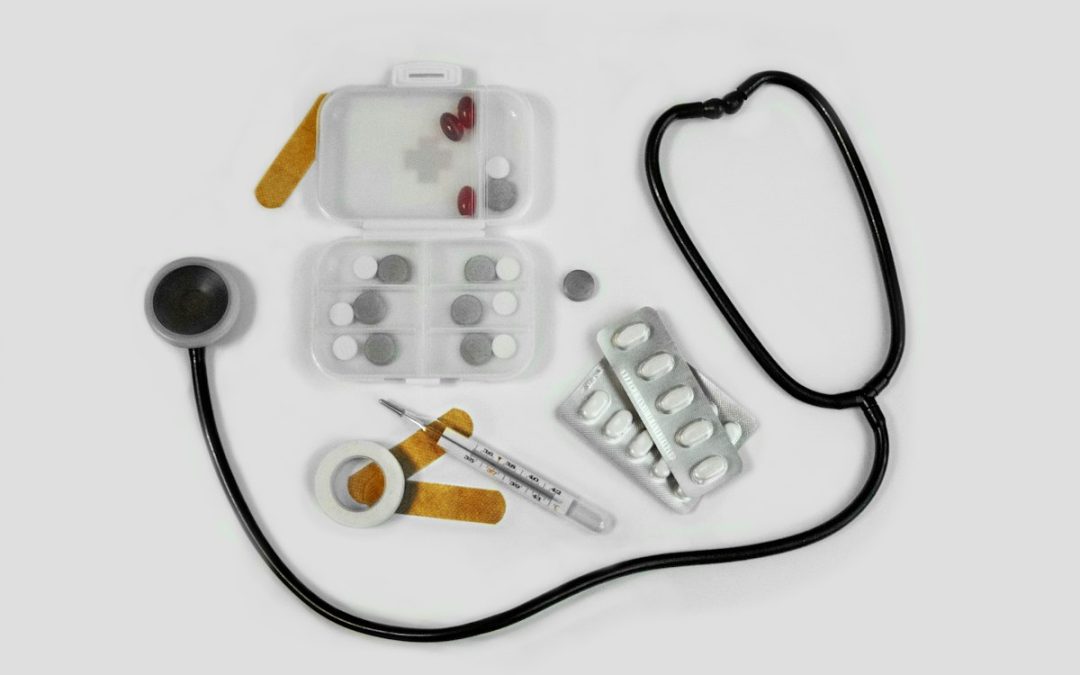
A well-organized, accessible home first aid kit is an indispensable safety asset. The household kit should be stored in an accessible location known to all family members, out of reach of curious toddlers but easily retrieved during crises.
Essential kit inventory includes sterile gauze pads in multiple dimensions, hypoallergenic surgical tape, elastic crepe bandages for sprain immobilization, antiseptic chlorhexidine solution, blister dressings, digital thermometers, and medical-grade scissors.
Domestic helpers should conduct a monthly inventory check to discard expired medications, restock depleted bandage supplies, and ensure battery levels in digital medical devices remain fully operational.
Professional Caregiver Screening and Safety Assurance with EELIT Agency
Household safety and emergency competence begin with rigorous domestic helper selection and verified caregiver capability. Entrusting vulnerable family members to untrained domestic personnel creates unnecessary risk and persistent household worry.
At EELIT Agency, our recruitment framework emphasizes foundational safety awareness, practical hygiene, and eldercare emergency protocols. We ensure candidates selected for infant and senior care possess the necessary calm temperament, communication foundation, and observational vigilance to safeguard your family.
Connect with EELIT Placement Specialists
Speak directly with our senior placement consultants for personalized bio matching, MOM Work Permit processing, and household caregiving support across Singapore:
Headquarters Priority WhatsApp (Direct Placement Team)
Juliet (HQ): +65 9100 1610 |
Joey (HQ): +65 9100 1610
Islandwide Branch WhatsApp Lines
Queenstown (Queensway Shopping Centre): +65 9745 6811
Orchard (Far East Shopping Centre): +65 9478 2786
Hougang: +65 8043 9823
Yishun: +65 8090 3168