
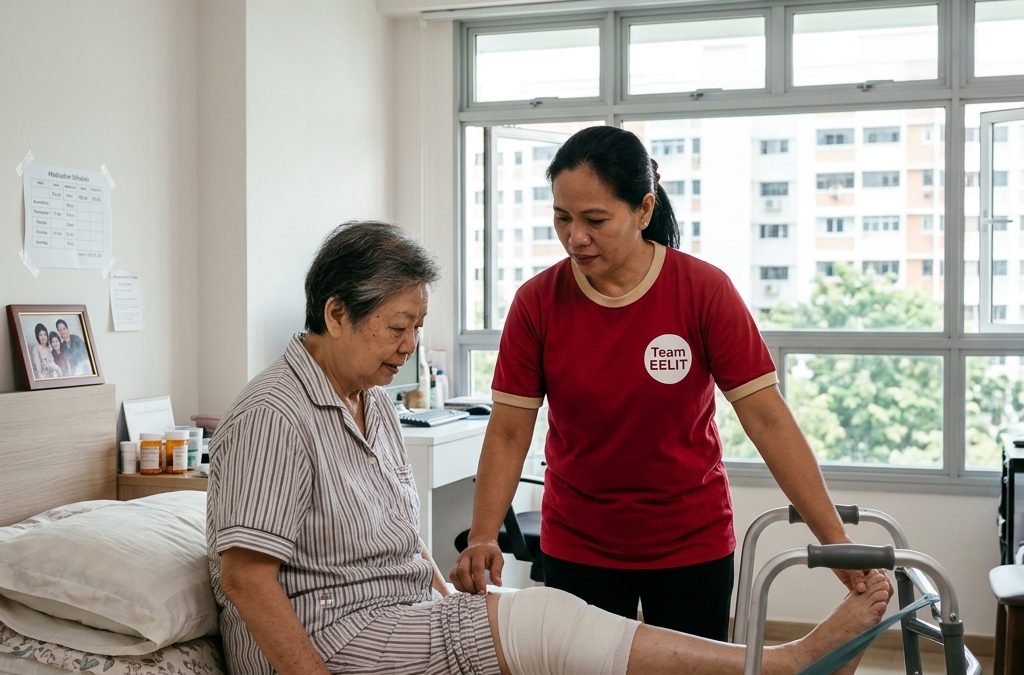
Managing the recovery of an elderly parent or a loved one after major orthopedic surgery presents a unique set of challenges for Singaporean families. While the surgical procedure itself is often a success, the bridge between hospital discharge and full mobility relies heavily on the quality of home-based care. For most households, the Migrant Domestic Worker (MDW) is the primary person responsible for this day-to-day management, making it essential that she is equipped with more than just basic instructions. This guide provides a comprehensive framework for navigating Orthopedic Care SG, ensuring that your domestic helper can provide professional-grade assistance while adhering to the latest Singapore employment standards.
The Evolving Landscape of Orthopedic Care and MOM Regulations in 2026
As we move through 2026, the Ministry of Manpower (MOM) has introduced updated guidelines that place a greater emphasis on the specialized training of domestic workers involved in high-intensity caregiving. For families dealing with post-operative orthopedic recovery, these regulations mean that an MDW must be sufficiently prepared for the physical and technical demands of the role. It is no longer enough to expect a helper to learn on the fly. The current framework encourages employers to facilitate structured training sessions, often subsidized by government grants, to ensure that the helper understands patient transfer techniques and wound management.
Under the 2026 regulations, employers are also reminded of the importance of the MDW’s physical well-being. Orthopedic care often involves heavy lifting or interrupted sleep if the patient requires repositioning during the night. The MOM now more strictly monitors the implementation of mandatory rest days and ensures that helpers are not being pushed beyond their physical limits. For a family, this means planning a care schedule that allows the helper to remain alert and capable. A fatigued helper is a safety risk to the patient, particularly when managing sensitive post-surgical limbs that are prone to reinjury or infection.
EELIT Agency works closely with families to ensure their selected helpers are either already trained in basic caregiving or are enrolled in relevant courses before the patient returns home. This proactive approach ensures compliance with the latest regulations while providing the employer with peace of mind. By aligning the helper’s skills with the specific needs of an orthopedic patient, the recovery process becomes more predictable and less stressful for everyone involved in the household.
Pre-Discharge Preparation: Setting the Stage for Successful Orthopedic Care SG
Recovery begins long before the patient leaves the hospital. The first step for any Singaporean employer is to coordinate with the hospital’s occupational therapists and physiotherapists. Before discharge, the domestic helper should attend at least one or two “caregiver training” sessions at the hospital. These sessions allow the helper to practice moving the patient under the watchful eye of a professional. This hands-on experience is vital because the layout of a hospital bed is very different from a standard home bed in a HDB flat or a landed property.
Home modification is the next priority. The environment must be optimized for safety to prevent the most common setback in orthopedic recovery: falls. This involves removing all loose rugs, ensuring the path to the bathroom is clear of clutter, and installing grab bars where necessary. If the patient is recovering from a hip or knee replacement, a raised toilet seat is often required. The MDW should be the one responsible for checking these areas daily. Part of her daily protocol should be a quick “safety sweep” of the living areas to ensure no new hazards have appeared, such as spilled water or misplaced footwear.
Lastly, communication between the family and the MDW must be crystal clear regarding the doctor’s orders. In Singapore, many specialists provide a discharge summary and a set of instructions for the first two weeks. These documents should be translated or explained in a way that the helper fully understands. Using a shared notebook or a digital tracking app can help the MDW record medication timings, temperature readings, and any observations about the surgical site. This level of organization is a hallmark of high-quality Orthopedic Care SG.
Daily Protocols for Wound Care and Infection Prevention
The primary concern during the first fourteen days post-surgery is the integrity of the surgical incision. Orthopedic surgeries, such as joint replacements or spinal fixations, involve deep incisions that must be kept clean and dry. The MDW should be instructed never to touch the wound directly with bare hands. Hand hygiene is the most effective way to prevent post-operative infections. The helper must wash her hands with antimicrobial soap for at least twenty seconds before handling any dressings or assisting the patient with hygiene.
Observation is the MDW’s most important task during wound care. She needs to be taught what a healthy healing wound looks like versus one that is showing signs of trouble. While she should not be changing complex surgical dressings unless specifically trained by a nurse, she must monitor for redness that spreads, unusual warmth around the area, foul odors, or excessive oozing. If any of these signs appear, the employer must be notified immediately so a call to the surgeon can be made. This early detection can be the difference between a simple outpatient check-up and a serious hospital readmission.
Bathing also requires a specific protocol. Most orthopedic patients are instructed to keep their incisions dry until the staples or sutures are removed. This usually means the MDW will need to assist with sponge baths or use waterproof covers for the affected limb. This process can be physically awkward and requires patience. The helper should be encouraged to take her time, ensuring the patient is seated securely on a shower chair and that the bathroom floor remains dry throughout the process to avoid any slipping incidents.
Mastering Mobility: Safe Transfer Techniques and Exercise Support
Orthopedic recovery is built on the foundation of movement. However, movement is also where the highest risk of injury lies. A domestic helper must be proficient in “transfer techniques,” which refers to moving the patient from a bed to a chair, or from a chair to a standing position. The most important rule is to never let the patient pull on the helper’s neck or shoulders. Instead, the helper should use a gait belt or guide the patient using their hips and waist. This protects the helper’s back and provides the patient with a stable center of gravity.
Walking protocols are equally essential. In the early stages of Orthopedic Care SG, the patient will likely use a walker or crutches. The MDW’s role is to “spot” the patient. This means walking slightly behind and to the side of the patient, specifically on their weaker side. She should not be pushing the walker for them but ensuring that the patient is placing their weight correctly. If the patient feels dizzy or unsteady, the helper must know how to slowly lower them to a seated position or a nearby sturdy surface rather than trying to catch their full falling weight.
Physical therapy exercises are often prescribed to be done several times a day at home. These exercises are not optional; they are the only way to prevent joint stiffness and blood clots. The MDW acts as a coach in this scenario. She should be familiar with the specific movements, such as ankle pumps, quad sets, or heel slides. By keeping a simple checklist of the exercises and the number of repetitions completed, the helper ensures that the patient stays on track with their recovery goals. Positive reinforcement from the helper can also significantly boost the patient’s morale, making them more willing to push through the discomfort of early physical therapy.
Managing Medication and Nutrition for Optimal Healing
Pain management is a critical component of orthopedic recovery. If pain is not controlled, the patient will be unable to perform the necessary exercises, which slows down the entire recovery process. The MDW should be in charge of a strict medication schedule, particularly for the first week. This includes keeping a log of when painkillers were administered and noting their effectiveness. It is also important to manage the side effects of these medications, such as constipation, which is very common after surgery. The helper should ensure the patient is drinking plenty of water and eating high-fiber foods as part of their recovery diet.
Nutrition plays a quiet but essential role in bone and tissue repair. A diet rich in protein, calcium, and Vitamin D is necessary for orthopedic patients. In a Singaporean household, this might mean preparing traditional soups alongside prescribed supplements. The MDW should be instructed to prepare meals that support healing, focusing on lean proteins like fish or chicken and plenty of leafy green vegetables. Avoiding excessively salty foods is also important, as salt can contribute to swelling in the lower limbs, which is already a concern after leg surgeries.
Hydration is another area where the helper can make a big difference. Dehydration can lead to confusion in elderly patients and increase the risk of urinary tract infections, both of which complicate orthopedic recovery. The helper should ensure a water bottle is always within reach of the patient and encourage small sips throughout the day. By managing these basic physiological needs, the MDW provides a stable foundation upon which physical healing can occur.
Recognizing Red Flags: When to Call the Doctor
While most recoveries follow a standard path, the MDW must be trained to recognize “red flag” symptoms that require immediate medical attention. In the context of Orthopedic Care SG, the most dangerous complication is a Deep Vein Thrombosis (DVT), which is a blood clot in the leg. The helper should be told to look for sudden swelling in one leg that is much worse than the other, pain or tenderness in the calf muscle, or skin that is discolored or reddish. If the patient suddenly experiences shortness of breath or chest pain, this is a medical emergency, as the clot may have moved to the lungs.
Other warning signs include a persistent fever over 38 degrees Celsius, which could indicate an underlying infection. If the patient experiences a sudden increase in pain that is not relieved by their usual medication, this should also be investigated. The MDW should have a clear list of emergency contacts, including the family’s preferred clinic and the specialist’s office, posted in a visible place like the refrigerator. Knowing exactly who to call and having the patient’s identification and medical cards ready can save vital minutes in an emergency.
Empowering the MDW to speak up when something “doesn’t feel right” is crucial. Often, the helper spends the most time with the patient and will be the first to notice subtle changes in their behavior or physical state. Employers should create an environment where the helper feels comfortable reporting these observations without fear of being wrong. This collaborative approach ensures that the patient is always under a watchful and informed eye.
Supporting the Mental Health of the Helper and the Patient
Orthopedic recovery is often a marathon, not a sprint. It can take months for a patient to return to their previous level of independence. This long duration can lead to “caregiver burnout” for the MDW and frustration or depression for the patient. A patient who was previously active may find it demoralizing to rely on someone else for basic tasks like using the toilet or getting dressed. The MDW needs to be patient and empathetic, but she also needs her own mental breaks.
Employers should ensure that the MDW has time during the day to rest and disconnect from her caregiving duties. Even thirty minutes of quiet time while the patient is napping can be restorative. Additionally, the family should take over caregiving duties during the helper’s rest days or hire a temporary nurse to step in. This prevents the helper from feeling overwhelmed and ensures she can continue providing high-quality care over the long term. A happy, well-rested helper is much more likely to be an effective and compassionate caregiver.
For the patient, maintaining social connections is important. The MDW can help by setting up video calls with relatives or assisting the patient to a balcony or garden area for a change of scenery. Small gestures, like helping the patient get groomed or dressed in “real clothes” rather than pajamas, can significantly improve their outlook. When the patient feels better mentally, they are often more motivated to participate in their physical recovery, creating a positive cycle of improvement.
- Establish a daily routine that includes set times for medication, exercises, and rest.
- Maintain a clean and hazard-free environment to prevent falls.
- Monitor the surgical site daily for any signs of infection or unusual swelling.
- Ensure the helper is trained in safe lifting and transfer techniques.
- Schedule regular check-ins with the MDW to discuss the patient’s progress and her own well-being.
How EELIT Agency Facilitates Specialized Orthopedic Home Care
At EELIT Agency Pte. Ltd., we understand that every orthopedic recovery journey is different. Some patients may only need help for a few weeks, while others require long-term assistance due to underlying conditions like osteoporosis or chronic arthritis. Our role is to bridge the gap between your family’s needs and the right caregiving talent. We specialize in matching families with MDWs who have a proven track record in elderly care or those who demonstrate the temperament and physical capability required for orthopedic support.
We go beyond simple placement. We provide guidance on the specific training programs available in Singapore, ensuring your helper is equipped with the latest techniques in patient handling and hygiene. We also provide ongoing support to the family, helping to manage the relationship with the MDW as the patient’s needs change over time. If the recovery process becomes more complex, we are here to offer advice on additional resources or help you navigate the administrative requirements of specialized caregiving.
Choosing the right helper through a MOM-licensed agency like EELIT ensures that you are starting the recovery process on the right foot. We take the stress out of the hiring process so that you can focus on what really matters: supporting your loved one as they regain their strength and mobility. With the right preparation, a well-trained helper, and a clear protocol for Orthopedic Care SG, your home can become the perfect environment for a full and speedy recovery.
The journey back to mobility after orthopedic surgery is a collaborative effort. By empowering your domestic helper with the right skills and maintaining a structured recovery protocol, you are providing your loved one with the best possible chance at a successful outcome. Remember that recovery is a gradual process, and with the professional support of EELIT Agency, your family does not have to navigate it alone. Clear communication, adherence to safety standards, and a focus on both physical and emotional health will ensure that the transition from hospital to home is as smooth and effective as possible.
Connect with EELIT Placement Specialists
Speak directly with our senior placement consultants for personalized bio matching, MOM Work Permit processing, and household caregiving support across Singapore:
Corporate Headquarters Placement Consultation
Corporate HQ Priority WhatsApp: +65 9100 1610
Juliet (Senior Consultant): Chat with Juliet (+65 9168 2493) |
Joey (Senior Consultant): Chat with Joey (+65 8725 2891)
HQ Office Telephone (Hotline / Voice Call Only): +65 6320 3826
Islandwide Branch WhatsApp Lines
Orchard (Far East Shopping Centre): +65 9478 2786
Hougang: +65 8043 9823
Yishun: +65 8090 3168