
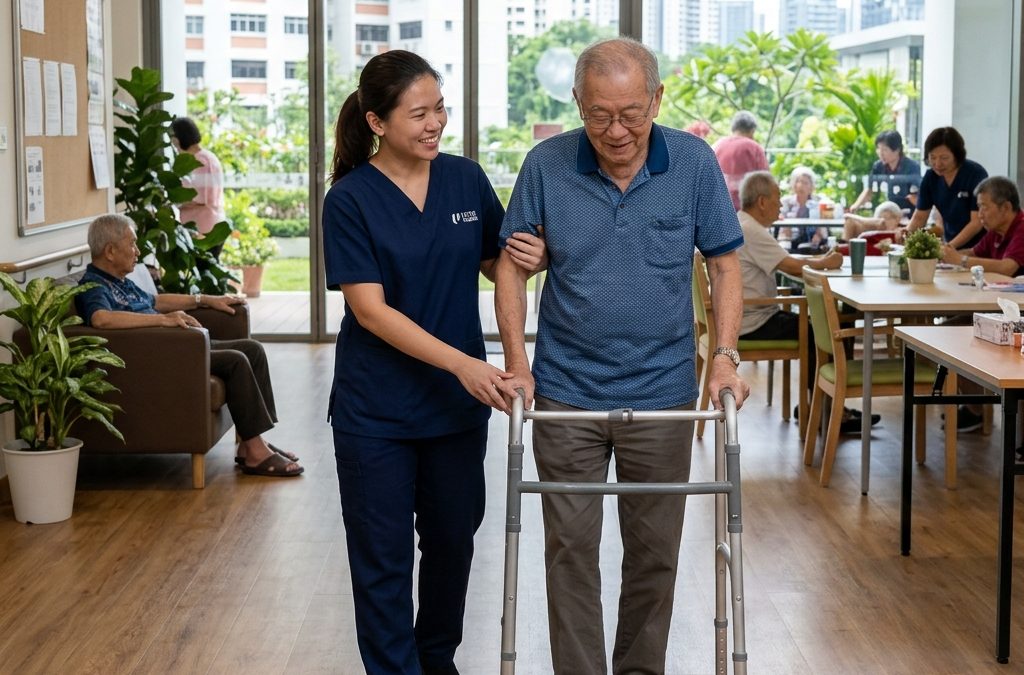
As Singapore continues to experience a rapid demographic shift toward an aging population, more families find themselves navigating the complexities of home-based nursing care. For many Singaporean households, the Migrant Domestic Worker (MDW) is the primary frontline caregiver for bedridden seniors. While these helpers are hardworking and dedicated, caring for a patient with limited mobility requires specific clinical knowledge that goes beyond general housework. Pressure ulcers, commonly known as bedsores, represent one of the most significant risks for bedridden elderly individuals. If left unmanaged, these skin injuries can lead to severe infections, hospitalizations, and a drastic decline in the senior’s quality of life. At EELIT Agency, we recognize that empowering your domestic helper with the right skills for pressure ulcer prevention is not just a health requirement but a vital part of ensuring a safe and dignified aging-at-home experience.
Understanding the Gravity of Pressure Ulcers in a Home Setting
A pressure ulcer is localized damage to the skin and underlying soft tissue, usually over a bony prominence. This occurs due to intense or prolonged pressure in combination with shear. For a senior living in a high-humidity environment like Singapore, the risks are amplified. Moisture from perspiration or incontinence can weaken the skin’s integrity, making it more susceptible to breakdown. When a senior is bedridden, the constant weight of the body against a mattress restricts blood flow to specific areas. Without adequate circulation, the skin cells begin to die, forming an open wound that can quickly become deep and infected.
The challenge for many Singaporean employers is that pressure ulcers can develop surprisingly fast. In some cases, significant tissue damage can occur within just a few hours if the senior is left in a single position. This is why the role of the domestic helper is so critical. They are the eyes and ears of the household. By the time a family member returns from work to check on an elderly parent, an early-stage ulcer might have already progressed. Understanding the stages of these ulcers is the first step toward prevention. A Stage 1 ulcer appears as a persistent red patch that does not turn white when pressed. By Stage 4, the wound can reach the bone, requiring surgical intervention and months of specialized wound care by a nurse.
The MOM 2026 Framework and Caregiver Responsibilities
The Ministry of Manpower (MOM) and the Ministry of Health (MOH) have been increasingly focused on the standards of care provided by domestic helpers in eldercare roles. Looking ahead to 2026, there is a clear trend toward stricter guidelines and better support systems for home-based care. The Singapore government encourages employers to utilize the Caregivers Training Grant (CTG) to upskill their helpers. At EELIT Agency, we align our placement philosophy with these national standards, ensuring that helpers placed in homes with bedridden seniors have a baseline understanding of geriatric needs.
From a legal and ethical standpoint, the employer has a responsibility to ensure the helper is not only trained but also has the physical and mental capacity to perform high-stakes caregiving tasks. The MOM framework emphasizes that caregiving is a specialized skill set. If a helper is expected to manage a bedridden senior, the workload must be managed to prevent caregiver burnout, which is a leading cause of neglect and medical errors in home care. Employers should clearly define the caregiving scope in the employment contract and ensure that the helper has access to the necessary medical supplies and equipment to perform her duties safely.
The Gold Standard: The 2-Hourly Repositioning Protocol
The most effective method for pressure ulcer prevention for a domestic helper in Singapore is the strict adherence to a 2-hourly repositioning schedule. This protocol ensures that no single part of the body bears the weight for a duration that exceeds the skin’s tolerance. This is a 24-hour requirement, which often means that caregiving duties must be shared or that the helper must have adequate rest periods during the day if they are attending to the senior at night.
1. The Log Roll Technique: When turning a senior, the helper should use a draw sheet (a small sheet placed under the senior’s torso) to slide and turn them. This prevents friction and shearing, which happens when the skin is dragged across the bedsheet. The helper should avoid pulling the senior by their limbs, as this can cause dislocations or bruising in fragile elderly patients.
2. The 30-Degree Tilt: Rather than turning the senior directly onto their side at a 90-degree angle, which puts immense pressure on the hip bone (trochanter), the helper should aim for a 30-degree tilt. By using pillows to support the back and the hips at a slight angle, the weight is distributed across the fleshier parts of the buttocks and back, significantly reducing the risk of bone-on-skin pressure.
3. Strategic Pillow Placement: Pillows are the most important tools in a helper’s arsenal. A pillow should be placed between the knees and ankles to prevent the legs from rubbing together. Another pillow should be placed under the calves to “float” the heels off the mattress, as the heels are one of the most common sites for deep tissue injuries.
4. Documentation and Tracking: We recommend that employers provide a simple “Turning Chart” for the helper. Every two hours, the helper should record the time and the position the senior was moved to (e.g., Left Side, Back, Right Side). This creates accountability and allows the family to monitor the consistency of care.
Maintaining Skin Integrity and Hygiene
Hygiene and skin care are inseparable from pressure ulcer prevention. In Singapore’s tropical climate, sweat and humidity can lead to skin maceration, where the skin becomes soft, white, and easily torn. If the senior is also incontinent, the acidity of urine and the bacteria in stool can cause rapid skin erosion. Your domestic helper must be trained in meticulous skin care routines that go beyond a simple sponge bath.
First, the skin must be kept clean and dry. After every diaper change, the area should be cleaned with a pH-balanced cleanser rather than harsh soaps that strip the skin of its natural oils. The helper should gently pat the skin dry instead of rubbing it. Second, the use of barrier creams is essential. These creams create a protective layer between the skin and moisture. However, the helper should be taught not to apply thick layers of zinc oxide cream over an existing wound unless directed by a nurse, as this can trap bacteria.
Daily skin inspections are the most critical part of the hygiene routine. During the morning sponge bath or a diaper change, the helper should perform a visual check of all bony prominences. These include the base of the spine (sacrum), the heels, the elbows, the shoulder blades, and even the back of the head. If the helper notices any redness that does not disappear after the pressure is removed, she must be instructed to inform the employer immediately. Early intervention at the “non-blanchable redness” stage can prevent a minor irritation from becoming a surgical emergency.
Nutrition and Hydration: The Internal Defense
A common oversight in home care is focusing solely on external movement while ignoring internal health. A senior who is malnourished or dehydrated is at a much higher risk of developing bedsores. Protein is the building block of skin repair. If a senior is not consuming enough protein, their skin becomes thin and loses its elasticity, making it more likely to tear under pressure. Your domestic helper should be involved in the nutritional planning for the senior.
1. High-Protein Diet: The helper should be taught to incorporate protein-rich foods into the senior’s meals, such as blended fish, soft tofu, eggs, or specialized nutritional supplements like Ensure or Glucerna, as prescribed by a dietitian. Consistency is key; small, frequent meals are often better tolerated by bedridden seniors than three large meals.
2. Hydration Monitoring: Dehydration leads to dry, fragile skin. The helper should encourage small sips of water throughout the day. In Singapore’s heat, fluid requirements may increase. If the senior has a fluid restriction due to heart or kidney issues, the helper must be strictly educated on the exact volume allowed to avoid medical complications.
3. Vitamin Supplementation: Vitamins A, C, and Zinc play vital roles in skin health and wound healing. While the helper should not administer supplements without a doctor’s order, she should be aware of their importance and report if the senior is refusing their vitamins or having difficulty swallowing them.
Essential Equipment for High-Level Home Care
Even the most diligent domestic helper cannot prevent pressure ulcers if she is working with inadequate equipment. For a bedridden senior, a standard home mattress is often insufficient. Employers should view the acquisition of medical-grade equipment as an investment in the senior’s health and the helper’s safety. A specialized hospital bed with adjustable height and head/foot elevations is the foundation of good care. This allows the helper to adjust the senior’s position without straining her own back, reducing the risk of workplace injuries for the MDW.
The use of a pressure-relieving mattress, such as a ripple mattress or a high-specification foam mattress, is highly recommended. Ripple mattresses use alternating air pressure to constantly change the points of contact between the body and the bed, mimicking small movements. However, employers must remind helpers that a ripple mattress does not replace the need for 2-hourly turning; it only serves as an additional layer of protection. Furthermore, heel protectors, foam wedges, and slide sheets are relatively low-cost items that can make the helper’s daily routine much more effective and less physically taxing.
The Importance of Communication and Scenario Planning
Effective caregiving relies on a transparent and proactive communication loop between the domestic helper and the employer. Many helpers, due to cultural reasons or fear of being blamed, may hesitate to report a small red spot or a minor skin tear. It is the employer’s job to foster an environment where “bad news” is delivered early. We encourage families to have a weekly “Care Review” with their helper to discuss the senior’s skin condition, appetite, and any challenges the helper is facing with the repositioning routine.
Employers should also have a clear scenario plan in place. For example:
1. If the senior develops a fever and a new red spot appears, who should the helper call first?
2. If the senior refuses to be turned because they are in pain, how should the helper handle it?
3. Which home nursing service or clinic is the primary contact for wound care?
By providing the helper with a written list of emergency contacts and a clear protocol for when to seek medical help, the family ensures that the senior receives timely care and the helper feels supported in her role.
How EELIT Agency Supports Your Caregiving Journey
At EELIT Agency, we understand that finding a helper who is capable of managing a bedridden senior is a high-stakes task. We do not just match resumes; we match skill sets to the specific clinical needs of your household. Our selection process for eldercare-focused MDWs involves looking for candidates with prior experience in nursing homes, hospitals, or households with similar medical requirements. We prioritize helpers who demonstrate patience, physical stamina, and a willingness to learn technical caregiving protocols.
Beyond the initial placement, EELIT Agency serves as a partner to Singaporean families. We provide guidance on the available caregiver training courses in Singapore, helping you navigate the various grants and subsidies provided by the government. We also offer advice on how to structure the helper’s daily schedule to ensure that the rigorous demands of bedridden care are met without compromising the helper’s well-being. We believe that a well-supported helper leads to a well-cared-for senior, creating a stable and harmonious home environment.
Conclusion: Building a Sustainable Care Ecosystem at Home
Caring for a bedridden senior is one of the most challenging responsibilities a family can face. While the threat of pressure ulcers is constant, it is a manageable risk with the right combination of knowledge, equipment, and dedicated support. By training your domestic helper in the 2-hourly turning protocol, meticulous skin hygiene, and proper nutrition, you are providing your loved one with the best possible defense against these painful and dangerous injuries. In the Singapore context, where we rely heavily on MDWs to bridge the gap in our healthcare system, the relationship between the employer, the helper, and the senior is the cornerstone of successful home care.
Pressure ulcer prevention is not a one-time task but a continuous commitment to excellence in care. As an employer, your role is to provide the tools, the training, and the emotional support your helper needs to succeed. When the helper feels confident in her skills and supported by her employer, she is better equipped to provide the compassionate, high-quality care that your elderly parents deserve. At EELIT Agency, we remain committed to helping Singaporean families navigate these challenges by providing skilled domestic helpers and professional guidance every step of the way, ensuring that aging at home remains a safe and viable option for every senior.
Connect with EELIT Placement Specialists
Speak directly with our senior placement consultants for personalized bio matching, MOM Work Permit processing, and household caregiving support across Singapore:
Corporate Headquarters Placement Consultation
Corporate HQ Priority WhatsApp: +65 9100 1610
Juliet (Senior Consultant): Chat with Juliet (+65 9168 2493) |
Joey (Senior Consultant): Chat with Joey (+65 8725 2891)
HQ Office Telephone (Hotline / Voice Call Only): +65 6320 3826
Islandwide Branch WhatsApp Lines
Orchard (Far East Shopping Centre): +65 9478 2786
Hougang: +65 8043 9823
Yishun: +65 8090 3168