
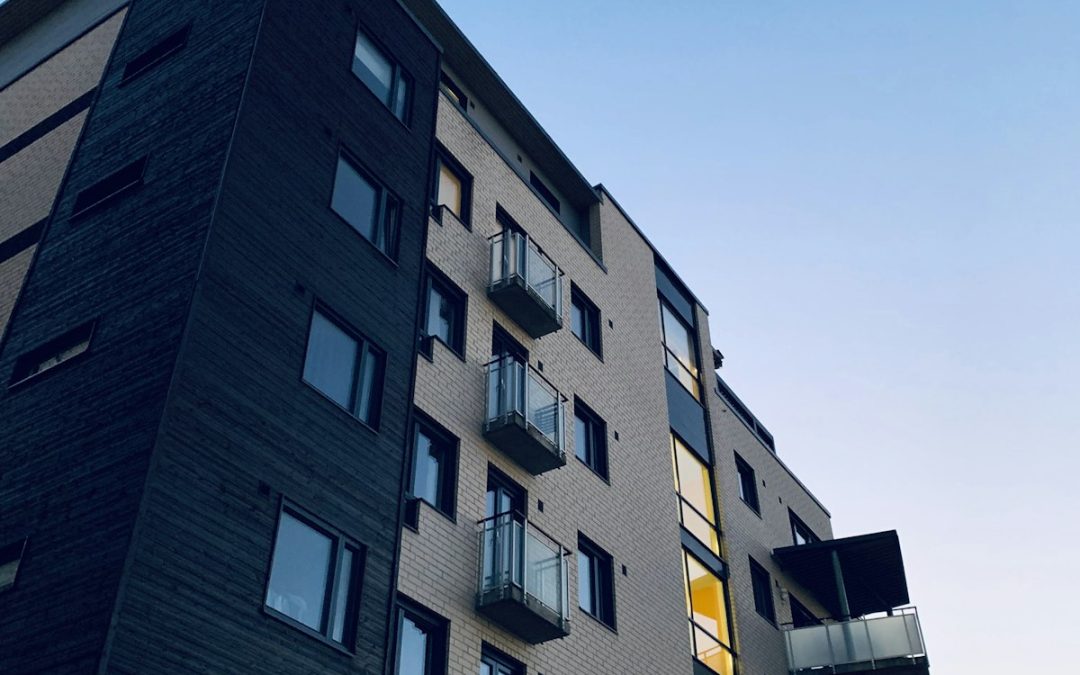
Living in a vertical city like Singapore offers breathtaking views and refreshing breezes, but it also carries a significant responsibility that every employer of a Migrant Domestic Worker (MDW) must take seriously. High-rise window safety is not merely a household chore checklist; it is a critical safety mandate regulated by the Ministry of Manpower (MOM) to prevent tragic accidents. For Singaporean families juggling career demands and household management, ensuring that your helper understands and adheres to these protocols is a matter of life and limb. At EELIT Agency, we prioritize the welfare of both the family and the helper by establishing clear, uncompromising standards for high-rise maintenance.
The Legal Framework: MOM Regulations and the 2026 Safety Outlook
The Ministry of Manpower has established very specific conditions under which a domestic helper is permitted to clean the exterior of windows. These rules were implemented following a series of preventable falls and remain the bedrock of employment safety in Singapore. According to current regulations, a helper is only allowed to clean the exterior of windows if two primary conditions are met simultaneously. First, the employer or an adult representative of the employer must be physically present to supervise the helper during the task. Second, window grilles must be installed and kept locked throughout the cleaning process. If your home does not have window grilles, your helper is strictly prohibited from cleaning the exterior of your windows under any circumstances.
Looking toward 2026, Singapore is expected to further tighten Workplace Safety and Health (WSH) standards for domestic environments. While the core rules remain, the government is placing a higher emphasis on employer accountability and the use of technology to mitigate risks. This means that as an employer, you are expected to stay informed about the latest safety equipment and ensure your helper has received formal orientation on these specific tasks. At EELIT Agency, we ensure that every helper placed through our firm is fully briefed on these MOM regulations during their initial induction, but the daily enforcement of these rules falls upon the household management.
Violating these safety regulations carries heavy penalties. Employers who fail to provide a safe working environment or who instruct their helpers to perform dangerous acts can face significant fines, jail time, and a permanent ban from hiring domestic help in Singapore. It is a legal and moral obligation to ensure that “clean windows” never come at the cost of a human life.
Identifying High-Risk Zones in Singaporean Homes
Every home layout presents unique challenges. In HDB flats, the most common risks involve the kitchen windows and the air-conditioning ledge. Many helpers feel pressured to reach out to clean the window panes or the exterior of the kitchen windows where grease accumulates. This is where the highest volume of accidents occurs. In condominiums, floor-to-ceiling glass panels and open balconies present a different set of hazards. These features are beautiful but require specific cleaning protocols that do not involve the helper leaning out or stepping onto ledges.
The air-con ledge is another area that is strictly off-limits. Under no circumstances should a helper be allowed to step onto an air-con ledge to clean the windows, the compressor, or to retrieve fallen items. If a piece of laundry falls onto a ledge or a lower roof, the helper must be instructed to inform the employer, who can then contact the town council or a professional service to retrieve it. Creating a culture where “the item is replaceable, the person is not” is vital for a safe household.
Daily Protocols for Safe Window Maintenance
To maintain a clean home without compromising safety, employers should implement a set of daily and weekly protocols. These steps ensure that the helper never feels the need to take unnecessary risks. Use the following numbered list as a guide for setting up your household safety routine.
- Install permanent, high-quality window grilles in every room, especially the kitchen and service yard where cleaning happens most frequently. Ensure the keys to these grilles are kept in a secure but accessible location for the employer, but not necessarily left in the locks for the helper to open at her discretion during cleaning.
- Invest in professional-grade cleaning tools. Long-handled telescopic mops and magnetic window cleaners are excellent investments. These tools allow the helper to clean the exterior glass while standing firmly on the floor inside the house, with the grilles locked.
- Establish a fixed schedule for window cleaning. Rather than asking the helper to clean windows whenever she sees a spot, schedule it for a time when you or another adult family member is home to supervise the process. This removes the temptation for the helper to “quickly” clean something while you are at work.
- Conduct a physical walk-through of the home with your helper. Physically point to the windows and say, “You are only allowed to clean this side of the glass. You must never unlock this grille.” Visual and verbal confirmation is much more effective than a written list of rules.
Balcony Safety and Furniture Placement
Balconies are common features in modern Singaporean apartments, but they require their own specific set of safety protocols. The primary risk at a balcony is not just the height, but the potential for slipping or losing balance. Rain is frequent in Singapore, and balcony floors can become incredibly slick. Helpers should be discouraged from cleaning balconies during or immediately after a heavy downpour unless they are wearing non-slip footwear and the area is well-lit.
Furniture placement is another critical factor. Never place stools, chairs, or decorative planters near the balcony railing. These items can be used as stepping points, which significantly increases the risk of an accidental fall. If your helper needs to clean the top of the railing or the glass balustrade, she must do so using tools that keep her feet planted firmly on the ground. There should be a strict “no climbing” rule in the house, applying to everything from reaching high cupboards to cleaning balcony fixtures.
Communication Strategies: Overcoming the “Yes, Ma’am” Culture
One of the biggest challenges in Singaporean households is the cultural nuance where domestic workers feel they cannot say “no” to an employer’s request, even if they perceive it to be dangerous. Many helpers come from backgrounds where they are taught to be highly industrious and to please their employers at all costs. This can lead to a situation where a helper tries to clean an unreachable window pane because she wants to demonstrate her hard work and dedication.
As a senior specialist at EELIT Agency, I advise employers to have an open conversation about safety limits. You must explicitly give your helper permission to refuse a task if she feels it is unsafe. You might say, “If I ever ask you to do something that makes you feel scared or like you might fall, please tell me. I would rather have a dirty window than have you get hurt.” This type of psychological safety is just as important as physical grilles. It empowers the helper to prioritize her own life over a minor household chore.
Practical Real-World Scenarios and How to Handle Them
To better understand how these protocols work in practice, let us look at a few common scenarios that happen in Singaporean households. These examples illustrate how a safety-first mindset prevents accidents.
In the first scenario, a helper is hanging laundry on the bamboo poles or the retractable rack in an HDB flat. A shirt slips and falls onto the ledge below. The helper’s first instinct might be to reach out or climb over to grab it. The protocol here is clear: the helper must stop, leave the item, and report it to the employer. The employer then evaluates if the item can be safely retrieved with a hook or if it should be abandoned. The helper must be reassured that she will not be penalized for the lost item.
In a second scenario, during a festive season like Chinese New Year, there is a desire for a “deep clean” of the entire house. The employer is busy with preparations and asks the helper to “make sure the windows are sparkling.” Without specific instructions, the helper might take risks to meet the high expectations of the season. To handle this safely, the employer should set aside one Saturday morning to supervise the window cleaning personally, providing the right tools and ensuring all grilles stay locked.
In a third scenario, a family moves into a new condominium with “invisible grilles” or glass balustrades. The helper may not be familiar with how to clean these without leaning over. The employer should demonstrate the use of a magnetic glass cleaner, which uses two halves connected by a magnet to clean both sides of the glass simultaneously from the inside. This eliminates the need for the helper to ever put her head or arms outside the perimeter of the building.
The Importance of Proper Equipment
Many high-rise accidents occur because helpers are using makeshift tools. Using a short rag and a stool is a recipe for disaster. As an employer, providing the right equipment is your responsibility. This includes high-quality microfiber cloths, specialized window cleaning solutions that reduce the need for vigorous scrubbing, and the aforementioned telescopic poles.
Magnetic cleaners are particularly effective for modern apartments. These devices allow the user to clean the outside of a glass pane while standing inside. Even if the magnet fails, these devices usually come with a safety string that is looped around the user’s wrist or a fixed point inside the house, preventing the external piece from falling on passers-by below. Investing $50 to $100 in proper cleaning technology is a small price to pay for the peace of mind it provides.
How EELIT Agency Supports Your Family’s Safety
At EELIT Agency, we believe that safety begins long before the helper steps into your home. Our role as a MOM-licensed agency is to ensure that both the employer and the MDW are starting their relationship on a foundation of mutual understanding and safety awareness. Our support system is designed to provide continuous guidance throughout the duration of the employment contract.
We conduct thorough pre-employment briefings where we explain the Singapore Ministry of Manpower’s safety laws in the helper’s native language. This ensures there is no “lost in translation” moment regarding what is legal and what is not. We also provide employers with safety checklists and guides to help them set up their homes correctly. If a helper feels that she is being asked to perform unsafe tasks, or if an employer is unsure how to guide their helper on cleaning a particularly tricky architectural feature, our consultants are available to provide mediation and advice.
Furthermore, EELIT Agency stays updated on the latest government mandates, such as the upcoming 2026 workplace safety enhancements. We proactively communicate these changes to our clients so that your household remains compliant and safe. We don’t just stop at the placement; we are committed to the long-term success and safety of your domestic arrangements.
Documentation and Setting Clear Expectations
It is highly recommended that safety protocols be documented in a simple house rules agreement. This doesn’t need to be a complex legal document, but a clear set of points that the helper signs after she has been shown the safety features of the home. This document should include points like “I will never stand on a chair to clean windows” and “I will only clean the outside of windows when my employer is present and grilles are locked.”
This documentation serves two purposes. First, it reinforces the seriousness of the rules for the helper. Second, it shows that the employer has taken the necessary steps to provide a safe work environment. It is a tool for clarity, not for punishment. When expectations are written down, there is less room for ambiguity or forgotten instructions.
Final Thoughts on High-Rise Safety
Window safety is a non-negotiable aspect of hiring a domestic helper in Singapore. The height at which we live demands a level of vigilance that cannot be overlooked. By understanding the MOM regulations, investing in the right tools, and fostering a culture of open communication, you can ensure that your home remains a safe sanctuary for your family and your helper.
Remember that a helper is a vital part of your household ecosystem. Protecting her safety is synonymous with protecting your family’s harmony. High-rise accidents are devastating and life-altering, but they are also almost entirely preventable through the diligent application of the protocols discussed in this guide. At EELIT Agency, we are proud to stand with Singaporean families in promoting a culture of safety, respect, and professional household management. By following these protocols, you are not just complying with the law; you are upholding the value of human life in our vertical city.
Connect with EELIT Placement Specialists
Speak directly with our senior placement consultants for personalized bio matching, MOM Work Permit processing, and household caregiving support across Singapore:
Corporate Headquarters Placement Consultation
Corporate HQ Priority WhatsApp: +65 9100 1610
Juliet (Senior Consultant): Chat with Juliet (+65 9168 2493) |
Joey (Senior Consultant): Chat with Joey (+65 8725 2891)
HQ Office Telephone (Hotline / Voice Call Only): +65 6320 3826
Islandwide Branch WhatsApp Lines
Orchard (Far East Shopping Centre): +65 9478 2786
Hougang: +65 8043 9823
Yishun: +65 8090 3168