
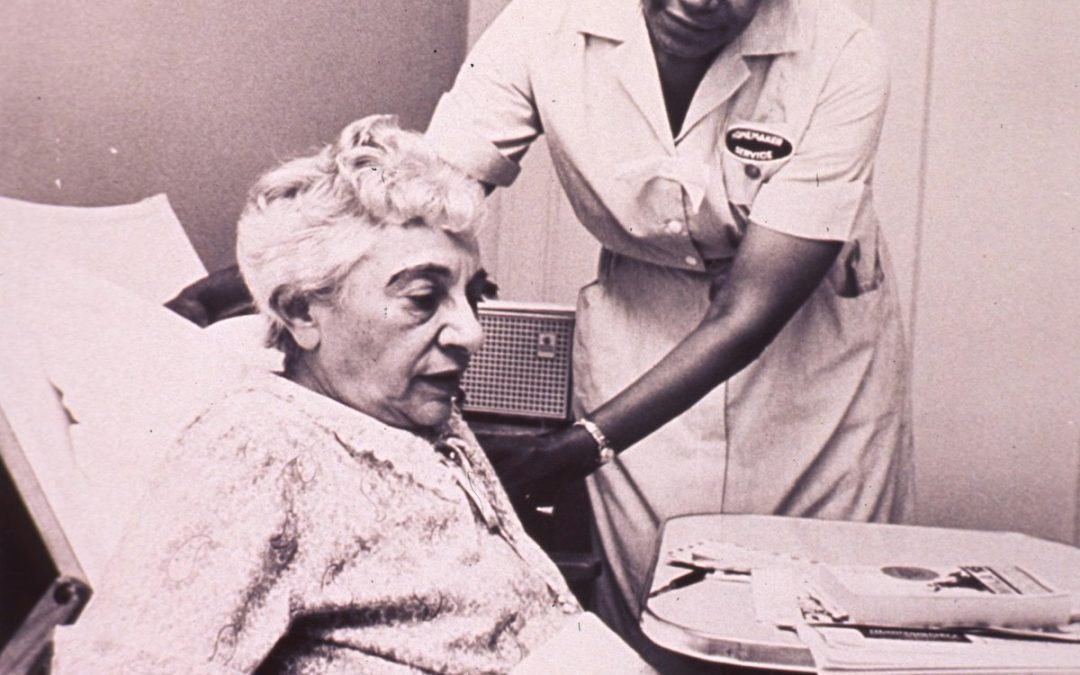
Supporting a bedridden senior or managing home recovery following a severe stroke is one of the most physically and emotionally exhausting challenges a Singapore household can face. From maintaining strict two-hour repositioning cycles to preventing painful pressure ulcers and safely executing commode transfers in compact HDB bathrooms, standard domestic help without eldercare training falls critically short. Equipping your family with specialized knowledge, ergonomic equipment, and a dedicated eldercare domestic worker ensures dignity, clinical safety, and physical comfort for your aging loved ones.
Understanding the Clinical Demands of Post-Stroke Caregiving at Home
Stroke survivors often experience sudden hemiplegia (paralysis along one side of the body), severe muscle spasticity, perceptual loss, and expressive aphasia. When transitioning from acute rehabilitation hospitals such as Bright Vision, St. Luke’s, or Ang Mo Kio-Thye Hua Kwan Hospital back into the family home, primary family caregivers frequently confront acute burnout within the initial weeks.
Safe physical handling forms the vital foundation of daily recovery. Improper pulling of a hemiplegic arm can trigger painful subluxation of the shoulder joint, creating chronic nerve damage. A trained domestic caregiver learns to support the senior’s strong side while gently stabilizing the affected limbs, using transfer belts and smooth pivot techniques rather than dead-weight lifting.
In addition to physical mobility, stroke recovery demands consistent cognitive and speech reinforcement. Caregivers must practice structured conversational patience, speaking slowly, maintaining direct eye contact, and encouraging the senior to complete daily speech therapy exercises prescribed by visiting occupational therapists.
Preventing Pressure Ulcers: The Vital Two-Hour Repositioning Rule
For bedridden seniors with minimal spontaneous movement, prolonged pressure against bony prominences quickly restricts capillary blood flow, leading to rapid skin breakdown and agonizing decubitus ulcers within hours. The sacrum, greater trochanters (hips), heels, and elbows represent high-risk contact zones.
Singapore geriatric nurses recommend maintaining a documented 2-hour turning schedule around the clock. Alternating between a 30-degree lateral tilt to the left, back resting with knee elevation, and a 30-degree tilt to the right distributes body weight evenly without placing direct shearing force on the hip bones.
Deploying specialized home care equipment dramatically reduces skin breakdown risks. Alternating pressure air mattresses with motorized cycle pumps, breathable silicone foam dressings on vulnerable sacral zones, and ergonomic wedge pillows are essential investments for any bed-bound family member.
Daily skin inspections during sponge bathing allow early detection of non-blanchable erythema (Stage 1 pressure sores). Caregivers must keep skin meticulously clean and dry, applying barrier creams containing zinc oxide or dimethicone immediately after each diaper change to ward off moisture-associated skin damage.
Managing Dysphagia and Enteral Nutrition Safely
Dysphagia (impaired swallowing reflex) occurs in up to 50 percent of stroke survivors, turning routine meal times into hazardous choking and aspiration pneumonia risks. When liquids or food particles slip silently into the lungs, acute pulmonary infection and emergency hospitalization inevitably follow.
Caregivers must strictly adhere to speech therapist diet textures, using commercial food thickeners to achieve mildly thick (nectar-like) or moderately thick (honey-like) liquid consistencies. Feeding must always occur in a fully upright 90-degree sitting position, maintaining that upright posture for at least 45 minutes after feeding to prevent gastroesophageal reflux.
For seniors relying on Nasogastric Tube (NGT) or Percutaneous Endoscopic Gastrostomy (PEG) feeding, strict hygiene protocols are imperative. Helpers must check tube placement via pH indicator strips, flush lines with sterile water before and after feeds, and elevate the head of the bed during formula infusion to safeguard the airways.
Financial Subsidies and Levies for Eldercare Households
Caring for a bedridden senior in Singapore involves ongoing monthly expenses, but government assistance programs help offset long-term care overhead:
The Home Caregiving Grant (HCG) provides eligible Singaporean families with up to $250 or $400 per month in direct cash payouts to defray the costs of hiring a foreign domestic worker or engaging home care services, depending on per-capita household income.
The MOM Concessionary Maid Levy reduces the monthly foreign domestic worker levy from $300 to just $60 per month for Singapore households residing with an elderly citizen aged 67 and above, or a person with permanent medical disabilities assessed under the Eldershield/CareShield Life framework.
The Caregivers Training Grant (CTG) offers an annual $200 subsidy per care recipient, allowing families to enroll domestic helpers in accredited eldercare training courses covering safe transfer techniques, basic wound dressing, and catheter hygiene.
Choosing the Right Eldercare Helper with EELIT Agency
Selecting a domestic helper for specialized bedridden care requires moving beyond general domestic resumes. Families must seek verified experience in geriatric handling, emotional resilience, and patient communication.
At EELIT Agency, our placement specialists conduct detailed clinical screening and practical transfer evaluations. We match your household with experienced caregivers from Indonesia or Myanmar who possess documented track records in stroke nursing assistance, elderly companionship, and safe mobility management.
Connect with EELIT Placement Specialists
Speak directly with our senior placement consultants for personalized bio matching, MOM Work Permit processing, and household caregiving support across Singapore:
Headquarters Priority WhatsApp (Direct Placement Team)
Juliet (HQ): +65 9100 1610 |
Joey (HQ): +65 9100 1610
Islandwide Branch WhatsApp Lines
Queenstown (Queensway Shopping Centre): +65 9745 6811
Orchard (Far East Shopping Centre): +65 9478 2786
Hougang: +65 8043 9823
Yishun: +65 8090 3168